

A hawk’s amber stare. A cat’s green glow in the dark. The eerie mirror-shine of a shark’s eye in deep water. Animal eye colors aren’t random—they’re survival tools shaped by millions of years of hunting, hiding, and navigating light in nearly every environment on Earth.
This guide breaks down the biology, busts a common myth about blue eyes, and reveals why two animals with identical eye colors can see completely different worlds.
Eye Color Quick Reference: Function Meets Form
| Eye Color | Typical Animals | Primary Advantage | Environment |
|---|---|---|---|
| Black/Dark Brown | Humans, primates, eagles, crows | UV protection, daytime clarity, social signaling | Diurnal, open habitats |
| Golden/Amber | Cats, hawks, foxes, some owls | Contrast sharpening in low light, glare reduction | Twilight hunters |
| Green | Some cats, select birds | Motion detection at dawn/dusk | Crepuscular zones |
| Red/Pink | Albino mammals, some insects | None (genetic variation; blood vessels visible) | Any habitat (rare) |
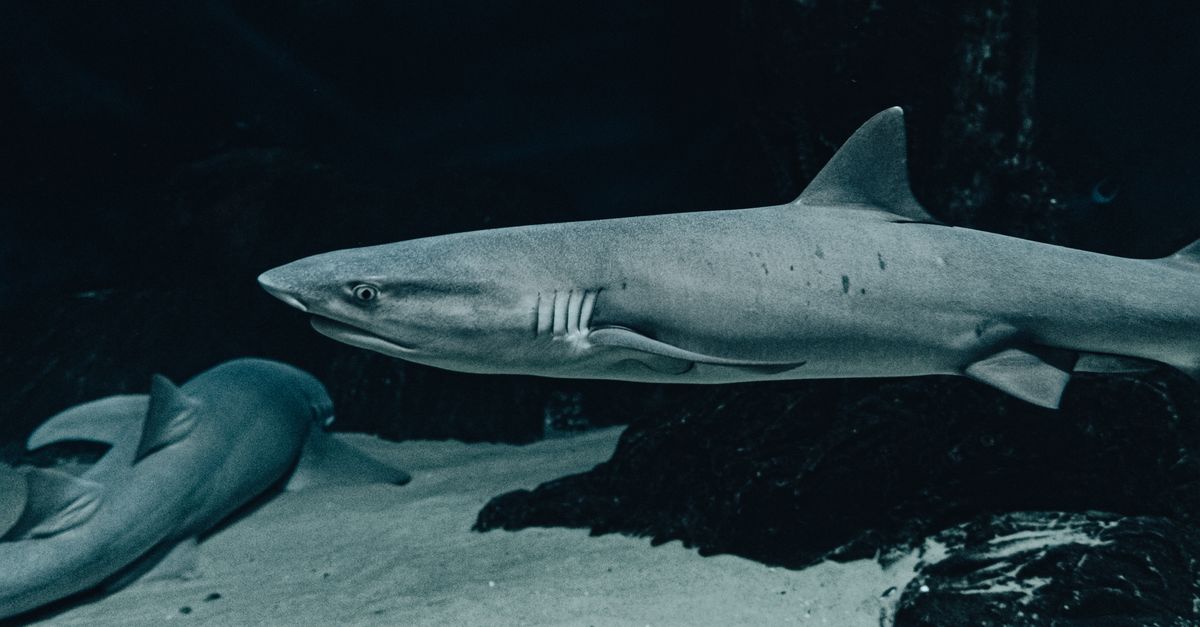
| Silver/Reflective | Deep-sea fish, sharks | Extreme light sensitivity in darkness | Abyssal waters |
| Blue | Huskies, some domestic breeds | None in wild animals (domestication artifact) | Rare in nature |
1. Melanin Concentration Sets the Base Color
The foundation of eye color across nearly all vertebrates is melanin—the same pigment that colors skin, hair, and feathers. High melanin concentration in the iris and retinal tissue creates dark brown or black eyes. Less melanin produces amber, yellow, or green. Very little melanin results in blue or gray, though this is rare in wild animals.
But melanin isn’t the whole story. The structure of melanin granules—how tightly they’re packed and how they scatter light—also affects the final color. This is why two animals with similar melanin levels can have subtly different eye shades. In raptors, how melanin is distributed through the iris can influence which wavelengths of light the eye filters most effectively, sharpening contrast in certain lighting conditions.
What melanin doesn’t do: determine what colors an animal can see. That’s controlled by photoreceptor cells in the retina—an entirely separate system.
2. The Predator Package: Golden Eyes, Forward Vision, Vertical Pupils
If you see an animal with golden or amber eyes, there’s a good chance it’s a hunter. But the eye color alone isn’t the adaptation—it’s part of a linked system:
- Forward-facing eyes provide binocular vision for depth perception
- Vertical or slit pupils allow precise focus and protect against glare
- Amber or golden irises filter short-wavelength blue light, sharpening contrast in dim or dappled light
This trio shows up in cats, foxes, many hawks, and some snakes. The amber lens tint acts like a natural filter, reducing “noise” from scattered blue light and making movement and small prey easier to spot in low-light conditions—exactly when ambush predators are most active.
Prey animals, by contrast, tend to have side-set eyes for panoramic vision, horizontal pupils (in some ungulates and hares), and dark brown irises with no special filtering. Speed and group vigilance matter more than precision hunting.
3. The Tapetum Lucidum: Nature’s Built-In Flash

Many nocturnal and crepuscular animals possess a tapetum lucidum—a reflective crystalline layer behind the retina that bounces light back through photoreceptors a second time, effectively doubling light sensitivity.
This is why a cat’s eyes glow green-gold in headlights, or why a deer’s eyes shine eerily in a dark forest. The tapetum reflects unabsorbed light outward, and what we see depends on melanin content and the tapetum’s structure.
Animals with visible tapeta include:
- Cats, dogs, and most carnivores (greenish or golden glow)
- Ungulates like deer and elk (bright white or yellow reflection)
- Sharks and deep-sea fish (metallic or mirror-like shine)
Humans lack a tapetum. Our eyes evolved for daylight activity, not night hunting. We rely on cultural tools—fire, electricity, night-vision goggles—to extend our active hours. Some nocturnal primates like tarsiers do have a tapetum, showing that evolution can add it back when lifestyles shift.
Interestingly, owls have enormous pupils and rod-dominated retinas but only a thin tapetum. Their night vision relies more on sheer light-gathering power and pupil size than on reflection—a different solution to the same problem.
4. Blue Eyes Are (Almost Always) a Domestication Artifact
Here’s the myth to bust: blue eyes in animals are not an evolutionary advantage.
In wild populations, blue eyes are vanishingly rare. Wolves, the ancestors of domestic dogs, do not have blue eyes. Neither do wild cats, wild horses, or most wild birds. Blue eyes show up in huskies, some cat breeds, and selectively bred livestock because humans chose them—not because they helped the animal survive.
Blue eyes result from very low melanin in the iris. In a wild predator or prey animal, this offers no functional benefit and may even reduce glare protection. Domestic breeding uncoupled eye color from survival pressure, allowing traits like blue eyes to persist purely because people found them appealing.
The exception: a few deep-sea fish and some mantis shrimp species have bluish or iridescent eyes tied to specific light conditions in their habitats. But these are structural colors from layered cells, not low melanin.
If you see a blue-eyed dog, appreciate the genetics—but don’t assume it sees better or differently because of the color. That brings us to the next point.
5. Eye Color ≠ What the Animal Can See
Two animals can have identical eye colors but perceive completely different visual worlds. Eye color is cosmetic compared to the retinal machinery beneath.
Example:
- A human with brown eyes sees red, green, and blue (trichromatic vision) but cannot see ultraviolet light.
- A dog with brown eyes sees only blue and yellow (dichromatic) and also cannot see UV, but has far more rod cells for motion detection in low light.
- A mantis shrimp with greenish eyes sees 12–16 color channels including UV, polarized light, and thermal gradients—far beyond any mammal.
What determines color vision? The types and density of cone cells in the retina. What determines night vision? Rod cell density, pupil size, and tapetum presence. Eye color is largely irrelevant to either.
This is why the “golden eyes = better hunter” idea is half-true. The golden tint helps filter light for better contrast, but the real advantage comes from the retinal structure and pupil shape working together. Sensory ecology—how animals deploy their senses in specific niches—matters far more than any single trait like eye color.
6. Age, Sex, and Season Can Shift Eye Color
Eye color isn’t always fixed. Many animals are born with different colors than they’ll have as adults:
- Kittens often have blue eyes until around 8–12 weeks, when melanin fully develops
- Some bird species gain adult eye coloration over months or years as they mature
- Certain dragonflies and hummingbirds show sexual dimorphism in eye color, with males and females sporting different hues (likely for mate signaling)
There’s even evidence that some animals’ eyes shift subtly with breeding season or photoperiod, though this is less understood and varies widely by species.
One thing that doesn’t change much: the functional role of the eye. A young hawk with grayish eyes and an adult hawk with amber eyes are both using the same predatory visual system—the color is just catching up to the melanin blueprint.
7. Thermoregulation: A Minor but Real Factor
Darker irises absorb more solar radiation, which can slightly warm the eye region. This may explain a subtle pattern:
- Polar animals like Arctic foxes and snowy owls trend toward lighter or reflective eyes
- Equatorial predators like lions or some tropical snakes often have very dark or heavily pigmented eyes to manage intense sun
But this is a secondary consideration, not the primary driver. The predator-prey split and light environment dominate. If thermoregulation were the main factor, we’d expect all cold-climate animals to have pale eyes—and that’s not the case.
8. Red and Pink Eyes: When Melanin Is Absent
Albino animals—those with a genetic mutation that prevents melanin production—often have red or pink eyes. The color comes from blood vessels in the retina showing through, not from a pigment.
This isn’t an adaptation. Albinism can actually be a disadvantage in the wild, as it reduces camouflage and UV protection. Red-eyed animals are more common in captive or domestic populations where predation pressure is absent.
Some insects and arthropods also have reddish or orange eyes due to different pigment chemistries (ommochromes and pterins rather than melanin), but these serve distinct functions in their compound eye systems.
Frequently Asked Questions
Why do predators have yellow or golden eyes?
The amber or yellow tint filters out short-wavelength blue light, reducing glare and sharpening contrast when hunting in low light or dappled sunlight. It’s paired with forward-facing eyes and often vertical pupils, forming an integrated system for precision predation.
Can animals with different eye colors see different colors?
Not necessarily. Eye color is about melanin and structure in the iris; color vision is about cone cells in the retina. A golden-eyed fox and a brown-eyed human have completely different color vision despite both having melanin-rich eyes. Wavelength sensitivity and eye color are separate systems.
Do all nocturnal animals have the same eye color?
No. Nocturnal animals prioritize light sensitivity (via tapetum, large pupils, and rod-dense retinas) over any specific eye color. A cat, an owl, and a shark are all night-active but have very different eye colors depending on their melanin levels and whether they’re also active at dawn or dusk.
Animal eye colors are survival résumés written in melanin, light, and evolutionary pressure. The next time you lock eyes with a cat in the dark or watch a hawk scan a field, you’re seeing millions of years of adaptation compressed into a single glance.
Want more on how animals sense the world? Check out How Do Cuttlefish Change Color—While Being Colorblind? for another take on vision and adaptation, or explore How Do Octopuses Solve Puzzles? The Arm-Brain Secret to see how eye structure shapes intelligence.
Written for general interest and accuracy-checked, but not a substitute for specialist sources.