
Why Do We Forget Dreams When Awake?
Dreams vanish within minutes of waking because your brain chemistry shifts dramatically—depleting the neurochemical needed to lock memories in place.
Wait, really? — the good kind of rabbit hole
61 articles
Science is at its best when it answers a question you actually wondered about. The Science collection tackles the everyday 'why does that happen?' — light, sound, weather, the human body — with accurate, genuinely interesting explanations.
We keep it accurate and cited, because a fun fact that's wrong isn't fun. Where science doesn't have a tidy answer yet, we say so.
Start below and fall down a good science rabbit hole.
Dreams vanish within minutes of waking because your brain chemistry shifts dramatically—depleting the neurochemical needed to lock memories in place.

Blue whales call at 15 Hz and can be heard 5,000 km away. Here's how underwater sound, ocean physics, and whale migration make ocean-spanning communication possible.

Why do some people need less sleep? A rare genetic mutation allows 1-3% of people to thrive on 5-6 hours nightly. Here's how sleep genetics really work.

The placebo effect triggers real brain changes via dopamine and opioid release, even when patients know they're taking a fake pill. Here's the science behind it.

Fireflies produce light through a chemical reaction: luciferin, luciferase, ATP, and oxygen create cold light with near-perfect efficiency for species-specific mating

Octopuses solve puzzles using 500 million neurons—two-thirds in their arms, not their brain. Here's how their distributed intelligence works differently.

The placebo effect produces measurable pain relief and symptom reduction through real neurochemical changes — brain scans prove it's not just 'in your head.'

Ball lightning is a rare glowing sphere that appears during thunderstorms. Learn what science knows about its color, size, duration, and the plasma theories with lab

Desert mirages aren't hallucinations—they're real optical illusions created when light bends through layers of hot air. Here's the physics behind the shimmering pools.

Hiccups are involuntary diaphragm spasms triggered by nerve irritation. Most remedies are folklore, but a few have weak evidence. Here's what actually works—and when to
Whale songs travel thousands of miles through a hidden ocean layer called the SOFAR channel. Learn the physics behind long-distance whale communication and ocean

Red hair comes from a mutation in the MC1R gene that shifts pigment production from brown eumelanin to red pheomelanin. Here's how the genetics actually work.
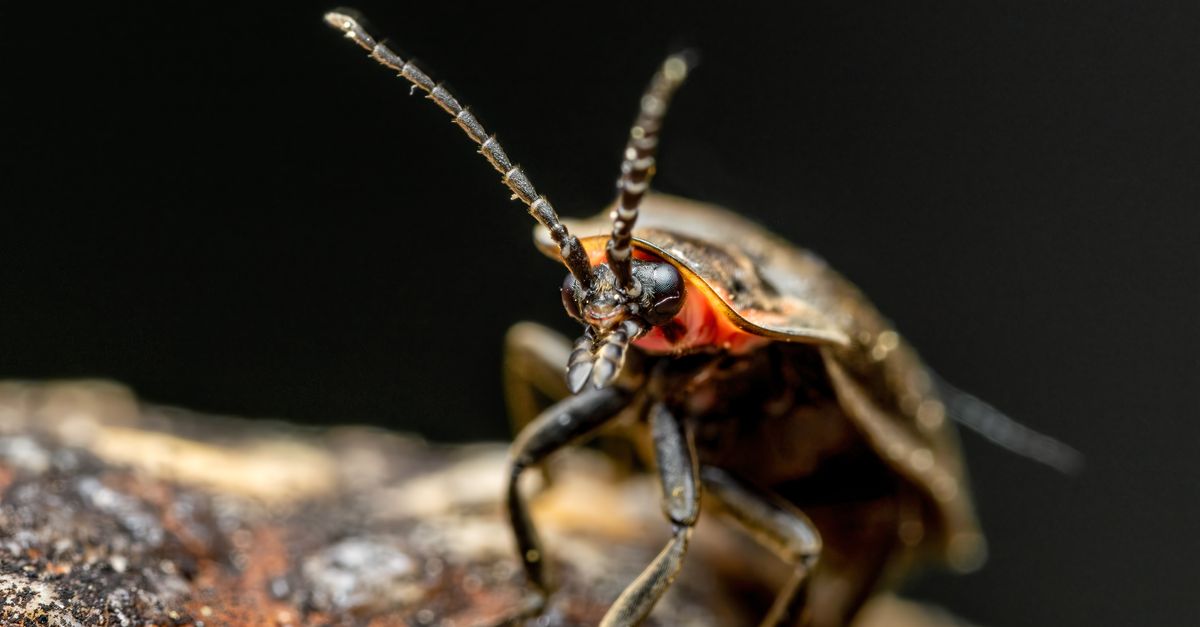
How do fireflies glow? Through a near-perfect chemical reaction between luciferin and luciferase that produces cold light with minimal heat waste—and millisecond

Plants sense gravity using tiny starch grains that shift in seconds, then redirect growth hormones to bend roots down and shoots up—here's the precise mechanism.

Blood is red because hemoglobin's iron absorbs blue-green light and reflects red. Learn the wavelength science, why veins look blue, and rare exceptions.

Earth spins at 1,670 km/h at the equator but you can't feel it. Learn why earth rotation speed varies by latitude and the physics behind why we don't feel it.

Seasons happen because Earth's axis tilts 23.5°, not because we're closer to the sun. Here's the actual mechanism—and why winter is colder despite Earth being nearest

Birds navigate migration using magnetic fields, star patterns, and the sun—three overlapping systems that work together. Here's how each one actually works.

Bats navigate darkness using ultrasonic echolocation—emitting high-frequency calls and interpreting echoes with millisecond precision to hunt, avoid obstacles, and fly.

Motion sickness happens when your inner ear and eyes send conflicting signals to your brain. Learn the evolutionary reason behind nausea and who's most vulnerable.

Itching happens when histamine binds to nerve receptors in your skin. Learn why scratching helps (and why it sometimes makes things worse).

Animals sense earthquake tremors before humans by detecting P-waves—the first, fast seismic waves. But they're not predicting the future; they're reacting faster.

Less than 0.1% of dead organisms ever fossilize. Discover the rare conditions—rapid burial, oxygen depletion, mineral-rich water—that preserve ancient life.
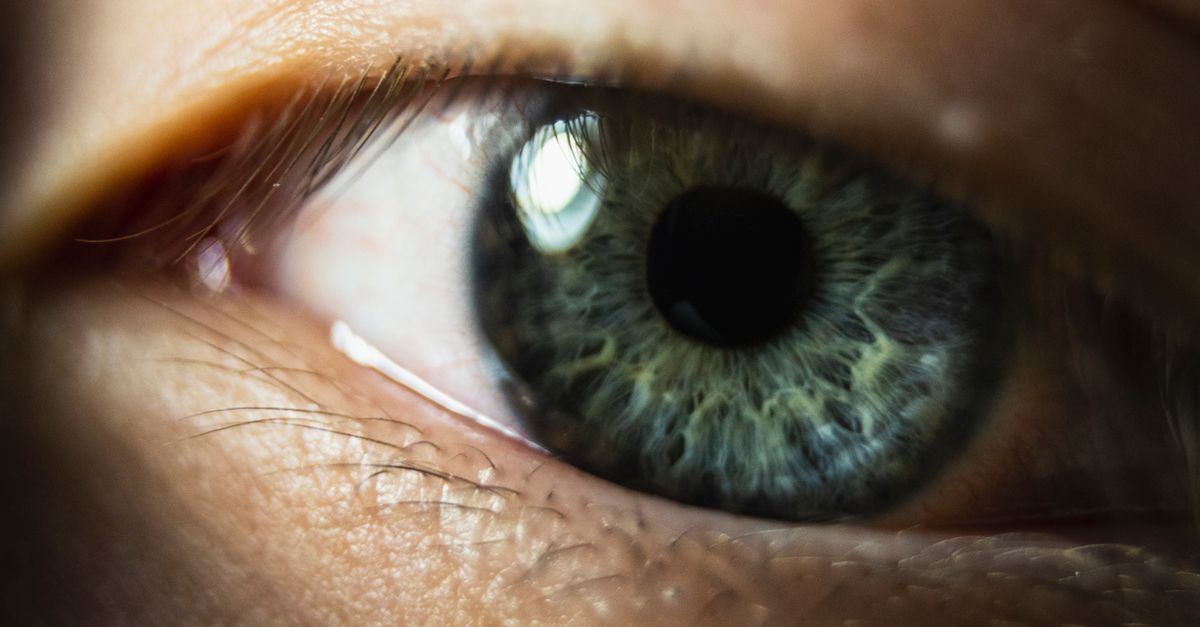
Some people see colors you can't, while you see colors they don't. Color blindness, tetrachromacy, and synesthesia reveal the surprising spectrum of human color vision.

How do bats use echolocation? Bats emit ultrasonic calls 20-60 kHz and process returning echoes in under 1 millisecond to build spatial maps—faster than human vision.

Humans have ~5 million hair follicles across the body. We evolved finer body hair but kept it for sensory feedback, protection, and sexual signaling.

Whales navigate using five interlocking systems—magnetic fields, landmarks, temperature gradients, social learning, and echolocation—to cross thousands of miles of ocean.

Ball lightning is real but rare. Scientists have three competing theories for what causes it—plasma vortex, chemical oxidation, and fractal discharge.

Blushing is an involuntary signal of social emotion controlled by your nervous system. Learn how it works, what triggers it, and why humans are the only animals that

Rainbows form when sunlight refracts through water droplets at a precise 42° angle. Learn why red appears on top, why secondary rainbows are dimmer, and more.

Why do some animals play dead? It's not a choice—it's an involuntary fear response called tonic immobility. Here's the science behind this defense mechanism.

Only about 70 fungal species glow in the dark through bioluminescence—less than 0.1% of all known fungi. Here's the chemistry, the species that do it, and the

Can animals predict earthquakes? Science shows some detect seismic activity through animal senses, but confirmation bias and unreliable behavior mean we can't use them

The ocean is salty because rivers carry dissolved minerals from rocks, and salt stays behind when water evaporates. Here's why salinity stays stable.

What is bioluminescence? It's light produced by living organisms through a chemical reaction—and it's 88-96% energy efficient, making it nature's brightest innovation.

Why do we get hiccups? The answer lies in an ancient reflex from our amphibian ancestors—a misfired protective mechanism that no longer serves a purpose.
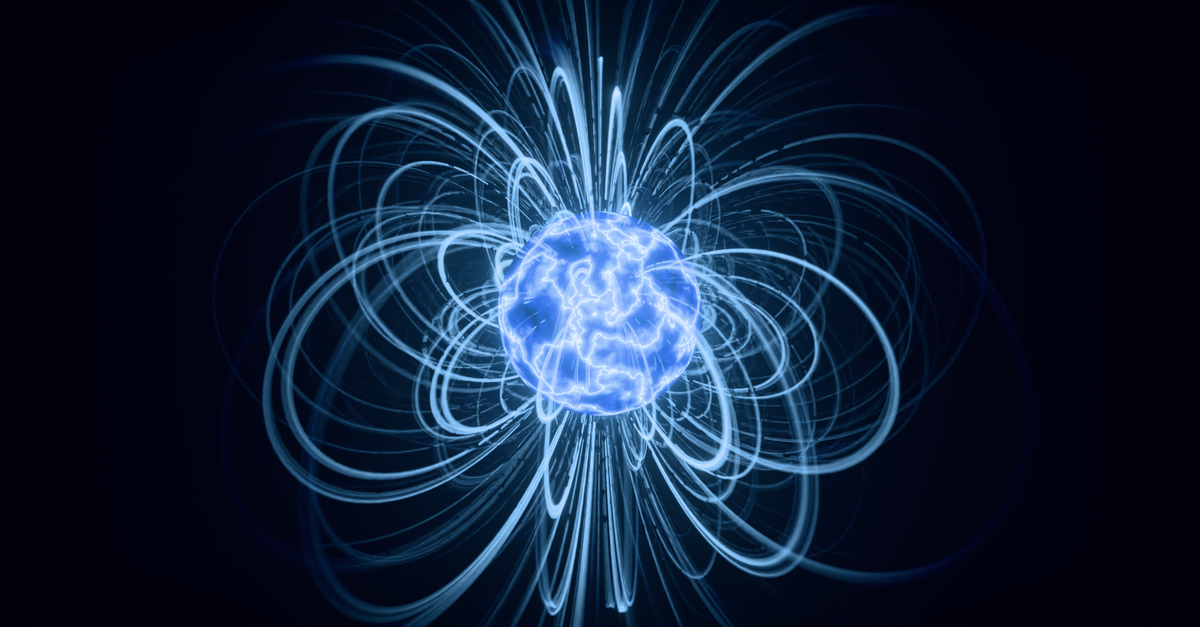
What makes some metals magnetic? It's all about unpaired electrons and crystal structure. Here's why iron sticks to magnets but copper doesn't.

Why do we cry when we laugh? It's not hidden sadness—it's your vagus nerve triggering tear production during intense emotions. Here's the actual mechanism behind

Homing pigeons navigate using three overlapping systems—magnetic, visual, and smell—but scientists still debate which is primary. Here's what we know.

Dry ice doesn't actually smoke—the white fog is water vapor condensing around invisible CO₂ gas. Here's why it sublimes instead of melting.

Dreams vanish within minutes of waking because norepinephrine—the brain chemical needed for memory—drops to near-zero during REM sleep. Here's the timeline.

It's not in your head: a gene variant called OR6A2 makes cilantro taste soapy to some people. Here's the science behind cilantro taste genetics and why culture matters

Sneezes can travel 200 feet in labs—but disease transmission is far more complex. Here's what science reveals about sneeze speed, droplets, and spread.

Plants share nutrients and possibly chemical signals through underground fungal networks. Here's what science has proven—and what remains hypothesis.

Why do we dream? Scientists have theories about memory, emotion, and survival—but the honest answer is we still don't fully know. Here's what the evidence shows.
Ball lightning is a rare, glowing sphere that appears during thunderstorms. Scientists have documented it for centuries but still can't explain what causes it or how it

Wisdom teeth are an evolutionary mismatch: our jaws shrank 12% over 10,000 years while tooth count stayed the same. Here's why our ancestors needed them—and why most of

Lightning forms when ice particles collide inside storm clouds, separating electrical charge. Learn the physics behind the spark, thunder, and 30,000K heat.

Permafrost is frozen ground that holds twice the carbon in Earth's atmosphere. As the Arctic warms 2-3× faster than the rest of the planet, it's thawing—and releasing it.

Volcanoes erupt when gas pressure in molten rock exceeds crustal strength. Learn how plate tectonics, magma chambers, and volatile gases trigger volcanic eruptions.
Why do some insects produce light? Bioluminescence converts chemical energy into light with exceptional efficiency, powering mating signals, predation, and defense.

Fingerprints form from random fetal development—differential skin growth and blood flow variations create patterns unique even in identical twins.

Earthquakes happen when stress built up in rock over decades suddenly releases as the rock ruptures. Here's the science behind why the ground shakes.

Quicksand is saturated sand acting as a non-Newtonian fluid. You won't sink like in movies—here's the physics, the myths, and how to escape.
Goosebumps happen when tiny arrector pili muscles contract. Learn why cold, fear, and even beautiful music trigger this ancient reflex—and why it barely works anymore.

Tornadoes form when wind shear creates horizontal rotation that an updraft tilts vertical. Here's the physics behind how supercell thunderstorms spawn twisters.

Mantis shrimp with 16 color receptors? Flatworms regrowing entire bodies from a severed head? These unbelievable animal facts are 100% real—and backed by peer-reviewed

Why do we get deja vu? Neuroscience explains this common memory glitch—it's normal, happens to 60% of people, and reveals how your brain retrieves memories.

Yawning doesn't boost oxygen—that's a 2,000-year-old myth. The real reason involves brain temperature, arousal, and a contagion effect scientists still don't fully

Years seem to fly by faster with age. The science behind why time perception accelerates involves memory, routine, and how your brain encodes novelty.

The sky is blue because of Rayleigh scattering: blue light's short wavelength makes it scatter 9–10 times more than red light. Here's the physics, why sunsets turn