
What Is the Biggest Whale? The Largest Animal Ever Confirmed
The biggest whale is the blue whale, reaching 110 feet and 200 tons—the largest confirmed animal known to exist. Here's how they got so massive and why it matters.
Wait, really? — the good kind of rabbit hole
40 articles
Nature is stranger than we give it credit for. The Nature collection covers the animals, plants, and phenomena that make people say 'no way, really?' — with accurate, well-sourced explanations behind the wow.
We check the facts, because the internet is full of confidently wrong animal 'facts'. Where a popular claim is a myth, we bust it.
Start below for the genuinely wonderful side of the natural world.
The biggest whale is the blue whale, reaching 110 feet and 200 tons—the largest confirmed animal known to exist. Here's how they got so massive and why it matters.

Most penguin facts you've heard are half-truths or myths. Here's what science actually tells us about penguin species, swimming speed, diet, and evolution.

Only 72 Javan rhinos remain, all in one Indonesian park. Why biology itself—not just poaching—makes this the world's hardest species to save.

The golden-crowned flying fox holds the record for wingspan at nearly 6 feet, but the largest bat by weight is actually a different species. Here's the full story.

Squid change color in 200-400 milliseconds using chromatophores—pigment cells controlled directly by their brain. Here's how one of nature's fastest color-change systems

How do mushrooms grow? They develop in four stages: spore germination, mycelium growth, pinning, and fruiting—often in just 7-14 days. Here's the full lifecycle.

Some trees live thousands of years because they grow incredibly slowly—and slow growth means less cellular damage. Learn the biology behind ancient bristlecone pines.

From golden-eyed hawks to mirror-like shark eyes, animal eye colors reveal hunting strategies, light adaptation, and evolutionary trade-offs—not just genetics.

Bees transform nectar into honey through enzymes, evaporation, and collective precision. The process takes weeks and requires visits to roughly 2 million flowers per jar.
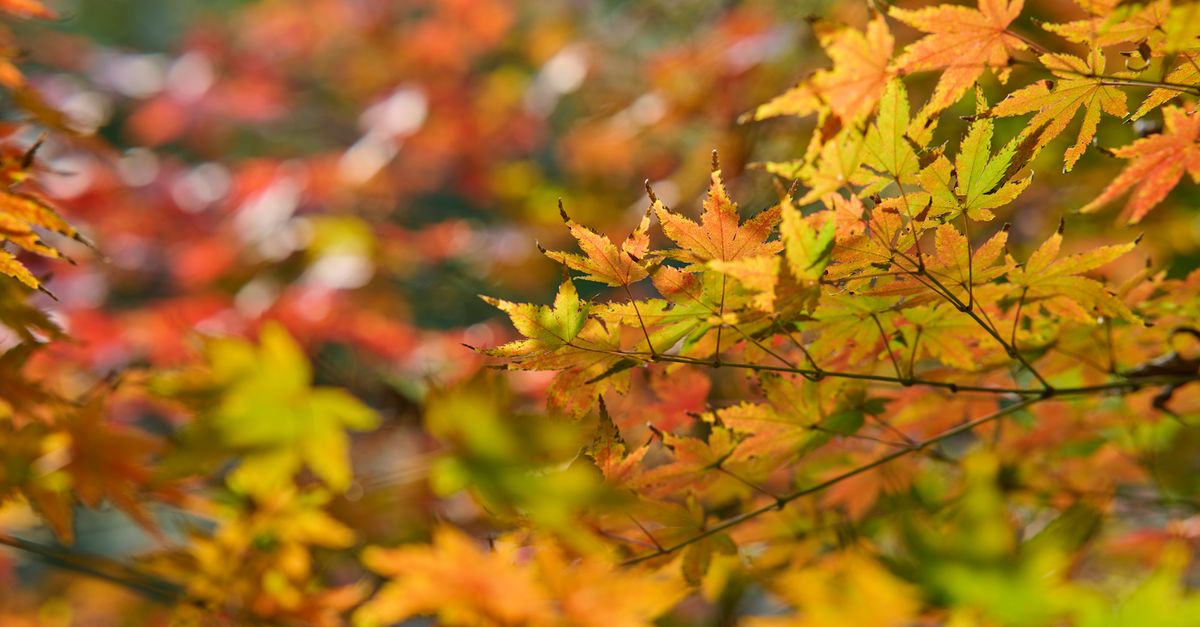
Leaves change color when trees stop producing chlorophyll and reveal hidden pigments—but that's only half the story. The science behind fall foliage, explained.

Why do chameleons change color? It's not camouflage—it's for communication, emotion, and temperature control. Here's the real science behind the color shift.
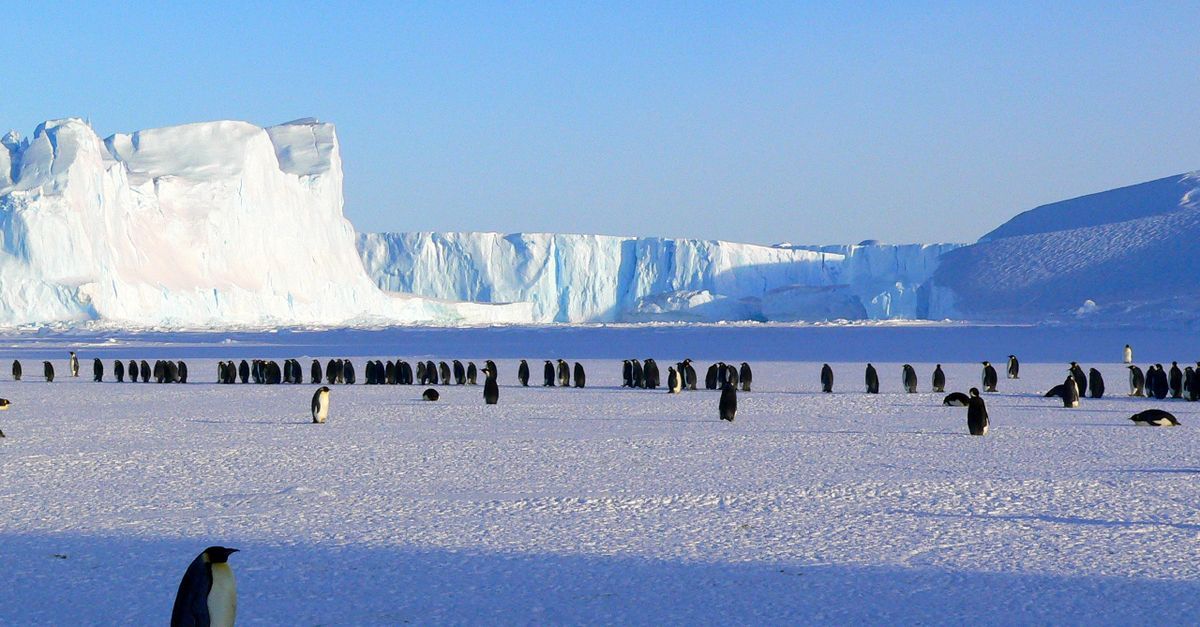
From emperor penguins to microscopic tardigrades, discover the remarkable animals that survive Antarctica's -89°C and the Arctic's brutal cold through antifreeze

Different fruits ripen at different speeds because of ethylene gas sensitivity. Climacteric fruits auto-ripen in days; non-climacteric fruits don't ripen after harvest

Polar bears survive -50°C air and freezing seawater using hollow fur and blubber layers with measured insulation values. Here's the actual science.

How do seahorses reproduce? Males carry fertilized eggs in a specialized pouch for 9-30 days, providing oxygen and nutrients—unique among fish. Here's how it works.

Camels don't store water in their humps—they store fat. Here's why that's actually better, and how their biology turns desert survival into an art form.

Why do whales beach themselves? The honest answer: we often don't know for certain, but research points to navigation errors, disease, pollution, and social bonds.

The oldest tree on earth is an unnamed Great Basin Bristlecone Pine over 5,100 years old, verified by tree-ring counting in Nevada and California's high mountain ranges.

Is it the blue whale or sperm whale? The answer depends on how you measure. Discover which ocean animals produce the most powerful sounds and why.

The smallest animal in the world isn't the famous tardigrade. Parasitic wasps and loricifers measure just 0.1–0.25 mm—smaller than a grain of pollen.
Penguins survive extreme cold through dense feathers, counter-current heat exchange, and huddling behavior. Discover the adaptations that keep them warm at –40°C.

Krubera Cave in Georgia plunges 2,196 meters underground—deeper than any known cave on Earth. Here's how explorers reached the bottom over 18 years.

Discover how monarch butterflies navigate 3,000 miles using sun compasses, magnetic fields, and a four-generation relay—no individual butterfly completes the round trip.

Carnivorous plants trap insects to harvest nitrogen in nutrient-poor bogs. Discover how venus flytraps and pitcher plants evolved radically different hunting strategies.

Deep sea fish survive crushing ocean pressure through equalized internal pressure, specialized proteins, and flexible bodies—no swim bladders, no air pockets.

Why do birds fly in formation? Trailing birds save 15-30% energy by riding upwash from wingtip vortices—but the lead bird pays a cost. Here's how it works.

Whales breach to coordinate feeding, signal socially, and possibly remove parasites—but each leap costs serious energy. Here's what the evidence actually shows.

The coldest place on Earth is Antarctica's Vostok Station at -89.2°C, but satellite data shows even colder spots. We explain the records and what makes them so extreme.

Cuttlefish change color in 200 milliseconds using chromatophores, yet they're colorblind. Discover the three-layer system and skin-sensing that makes it possible.

Penguins huddle to cut heat loss by 20-30% in Antarctic cold. The rotation is self-organizing, not conscious—here's how the thermal system actually works.
Why do whales sing? Marine communication serves mating, navigation, and social bonding. Discover how whale songs evolve and travel across ocean basins.

Crabs walk sideways because their legs attach at 90° to their body and bend outward, making lateral motion more efficient than forward walking.

How do octopuses change color in less than a second despite being colorblind? The answer involves a three-layer biological system and skin that may see light.
The oldest living organism depends on how you define it. Meet Methuselah, a 4,850-year-old tree, and Pando, an 80,000-year-old clonal colony.

Birds navigate using the Earth's magnetic field with a biological compass in their eyes—cryptochrome proteins that detect magnetic direction through quantum mechanics

Butterflies taste with their feet using chemoreceptors on their tarsi. Learn how this sensory superpower helps them find the right plants to lay eggs.

Flamingos aren't born pink—they get their color from carotenoid pigments in algae and crustaceans. How diet creates the shade, and why captive birds fade.

Bees communicate through waggle dances, pheromones, and vibrations, encoding distance and direction—about 1 second of waggling signals roughly 1 kilometer.

The ocean averages 3,688 meters deep, but the Mariana Trench plunges to 10,994 meters—deeper than Everest is tall. Here's what lives down there and how much remains

Why do cats purr? It's not just happiness — cats purr when stressed, injured, or giving birth. Here's what science reveals about purring's true meaning.